Pan African American Cultural Heritage Institute
  • Home
    • Who's Who Society
    • Disparities
    • Board
    • Fellows
    • Pan African cultural heritage initiative
    • The Alliance
    • Cultural Economic Community Issues
    • Cultural Economics
    • COMMUNITY-BASED INITIATIVES
    • Culture, Heritage and Wealth
    • Where to Go
    • Contact Us
  • Cultural Heritage Library
    • "The Term" Black People (Pan Africa!)
    • WHO'S WHO IN PAN AFRICA
    • African American Historical Events & Places >
      • African-American Historical Places
      • African American Neighborhoods
    • Africa's Historical Events & Places >
      • List of Cities by Countries
    • Caribbean Historical Events & Places >
      • Caribbean Green Book
      • Caribbean Cities and Towns
    • South America's Historical Events & Places
    • Europe & Other Pan African Historical Events & Places >
      • Historically African-American Communities and Settlements
    • Historical Freedmen Towns >
      • Freedmen Towns
    • Historical Churches
  • Edutainment
    • Cultural Heritage e'Radio Station
    • Pan African Cultural Heritage YouTube
    • Pan African E-Magazines
  • Artist Row
    • The Gallery
    • Black Art History
  • Membership
    • Market Place
  • Historical Artists

THE UNDERGROUND RAILROAD
THE UNDERGROUND RAILROAD

Picture

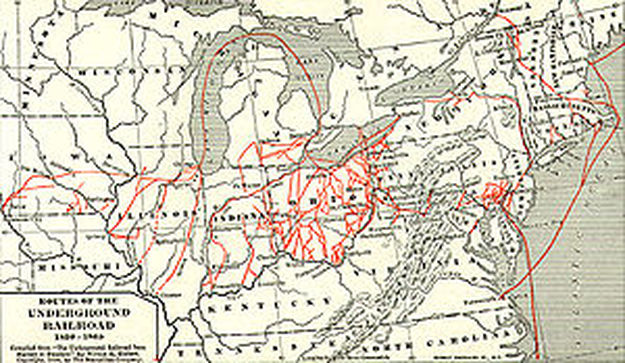
The Underground Railroad was a network of secret routes and safe houses used by 19th-century enslaved people of African descent in the United States in efforts to escape to free states and Canada with the aid of abolitionists and allies who were sympathetic to their cause.  The term is also applied to the abolitionists, both black and white, free and enslaved, who aided the fugitives. Various other routes led to Mexico or overseas.  An earlier escape route running south toward Florida, then a Spanish possession, existed from the late 17th century until shortly after the American Revolution. However, the network now generally known as the Underground Railroad was formed in the early 19th century, and reached its height between 1850 and 1860.  One estimate suggests that by 1850, 100,000 slaves had escaped via the "Railroad".

British North America (present-day Canada), where slavery was prohibited, was a popular destination, as its long border gave many points of access. Most former slaves settled in Ontario. More than 30,000 people were said to have escaped there via the network during its 20-year peak period, although U.S. Census figures account for only 6,000.  Numerous fugitives' stories are documented in the 1872 book The Underground Railroad Records by William Still, an abolitionist who then headed the Philadelphia Vigilance Committee.

Click for more: https://en.wikipedia.org/wiki/Underground_Railroad

Stay connected.  fIND US ON FACEBOOK.

FOLLOW US ON FACEBOOK AND RECEIVE UP-TO-DATE INFORMATION ABOUT faahpn MEMBER EXHIBITS, PROGRAMS, AND EVENTS

  • Home
    • Who's Who Society
    • Disparities
    • Board
    • Fellows
    • Pan African cultural heritage initiative
    • The Alliance
    • Cultural Economic Community Issues
    • Cultural Economics
    • COMMUNITY-BASED INITIATIVES
    • Culture, Heritage and Wealth
    • Where to Go
    • Contact Us
  • Cultural Heritage Library
    • "The Term" Black People (Pan Africa!)
    • WHO'S WHO IN PAN AFRICA
    • African American Historical Events & Places >
      • African-American Historical Places
      • African American Neighborhoods
    • Africa's Historical Events & Places >
      • List of Cities by Countries
    • Caribbean Historical Events & Places >
      • Caribbean Green Book
      • Caribbean Cities and Towns
    • South America's Historical Events & Places
    • Europe & Other Pan African Historical Events & Places >
      • Historically African-American Communities and Settlements
    • Historical Freedmen Towns >
      • Freedmen Towns
    • Historical Churches
  • Edutainment
    • Cultural Heritage e'Radio Station
    • Pan African Cultural Heritage YouTube
    • Pan African E-Magazines
  • Artist Row
    • The Gallery
    • Black Art History
  • Membership
    • Market Place
  • Historical Artists